24 hr
Mountain Gorilla Trek & Cultural Immersion
Track endangered gorillas through volcanic highlands, then discover Rwandan traditions with local communities
Reserve
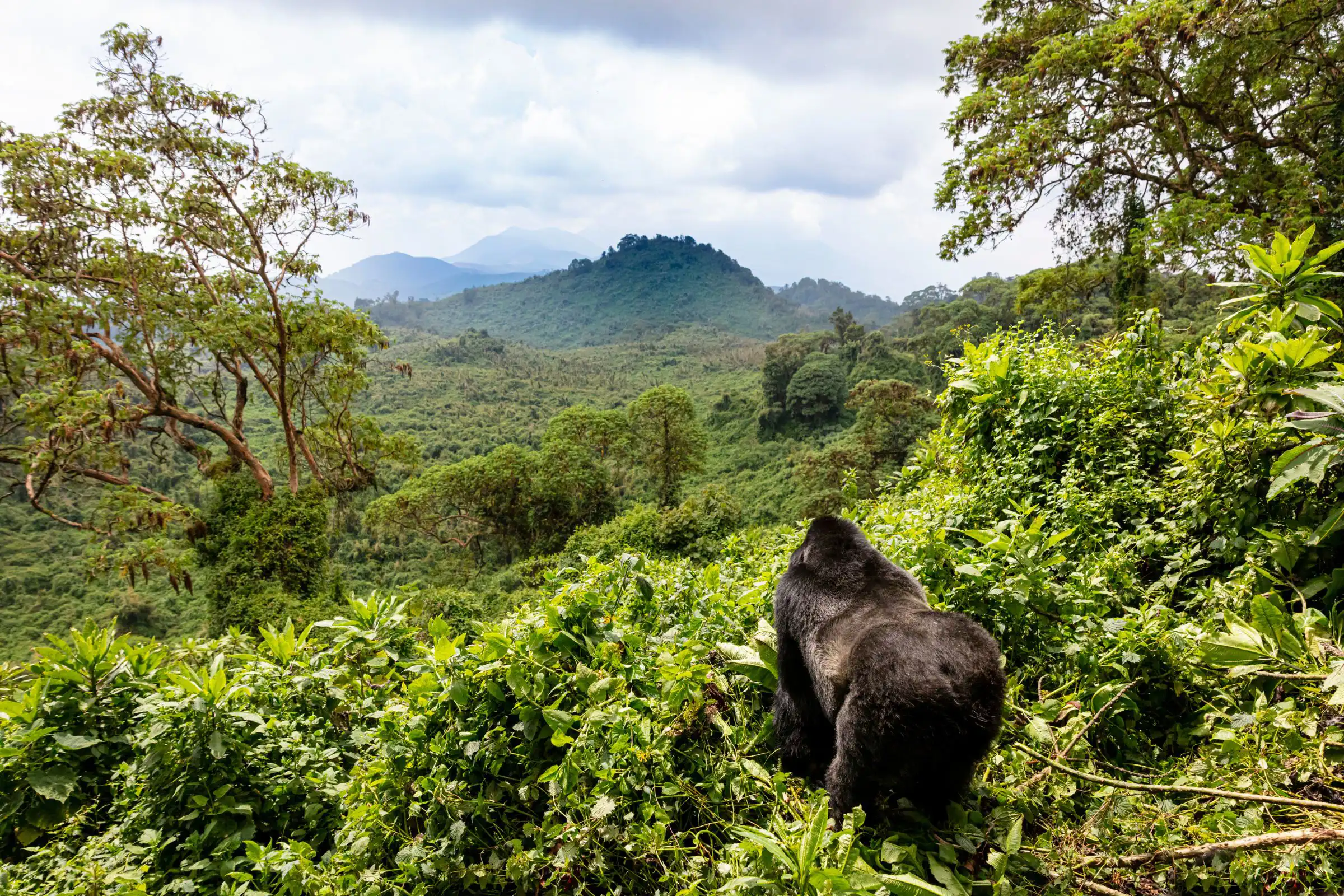
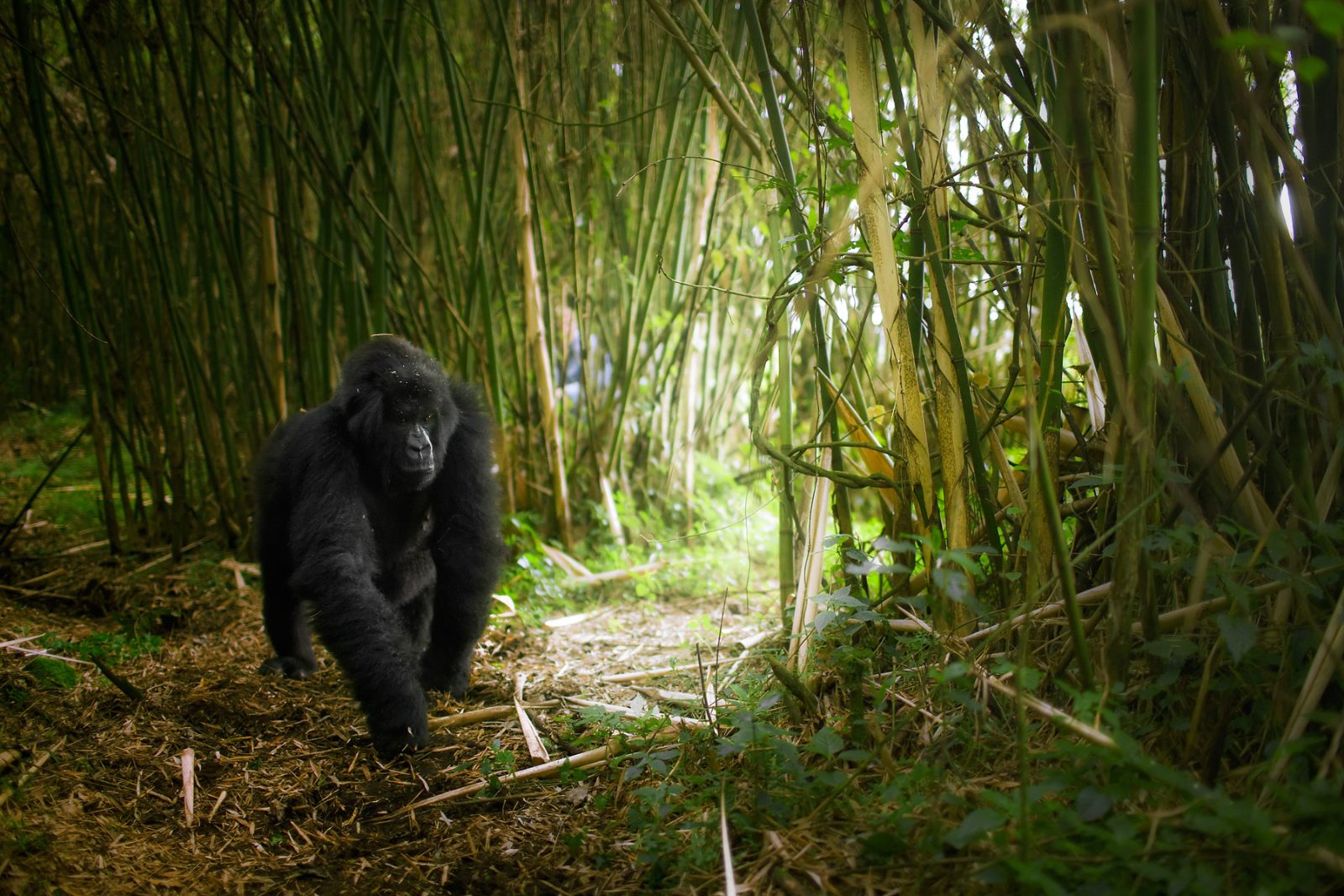
Walk bamboo slopes to meet mountain gorillas, one hour among the world's rarest primates
Hand-picked by our editors — only the best 4 gorilla trekking rwanda experiences from 11 reviewed.
Verified partners for Gorilla Trekking Rwanda tours, free cancellation where available, and instant confirmation on every booking.
24 hr
Track endangered gorillas through volcanic highlands, then discover Rwandan traditions with local communities
Reserve
7 hr
Track endangered mountain gorillas through Rwanda's volcanic highlands on this unforgettable wildlife expedition.
Reserve
8 hr 30 min
Trek to see endangered mountain gorillas in their habitat, then dive into Rwandan traditions at a vibrant cultural village.
ReservePrices from verified partners. Availability updates in real time at checkout. Free cancellation policies apply where shown.
Every Gorilla Trekking Rwanda tour side-by-side — duration, what's included, how you redeem.
| Experience | From | Duration | Skip-the-line | Guide | Small group | Free cancel. | Price | |
|---|---|---|---|---|---|---|---|---|
|
Guided Experience Most popular
Mountain Gorilla Trek & Cultural Immersion
|
— | 24 hr | ✓ | ✓ | ✓ | ✓ | €223 | Book → |
|
Guided Experience
Volcanoes National Park Gorilla Trek from Kigali
|
Kigali | 7 hr | ✓ | ✓ | ✓ | ✓ | €256 | Book → |
|
Guided Experience
Gorilla Trekking & Cultural Village Experience from Kigali
|
Kigali | 8 hr 30 min | ✓ | ✓ | ✓ | ✓ | €240 | Book → |
All prices from verified partners. Availability and exact terms confirmed at checkout.
Gorilla trekking Rwanda tours in Volcanoes National Park offer superior accessibility, whereas Bwindi Impenetrable National Park provides a more cost-effective entry point for primate encounters.
| Feature | Top pick Volcanoes N.P. | Bwindi N.P. |
|---|---|---|
Driving distance from capital |
2–3 hours | 8–10 hours |
Trekking terrain difficulty |
Moderate to steep slopes | Dense and rugged rainforest |
Permit cost per person |
1,500 USD (summer) | 800 USD (summer) |
Viewing experience |
Clear visibility in bamboo | Dense vegetation cover |
Travel infrastructure |
High-end luxury focus | Varied options and lodges |
Gorilla trekking rwanda tickets |
Limited availability | Higher permit volume |
| See tickets → |
Verdict: Choose Rwanda for efficient logistics and comfort, or opt for Uganda if you seek a lower price for your gorilla trekking rwanda tour.
Choose your ticket, select your date, and reserve in under two minutes. Secure checkout handled by our verified partner.
Instant confirmation by email, with a mobile voucher you can save offline. No printing, no queuing at a collection desk.
Arrive at the entrance, show your voucher on your phone, and walk in. Most tickets include priority or skip-the-line access.
Practical details for Gorilla Trekking Rwanda tickets straight from our verified partners — hours, access, rules, and how to get there.
Kinigi, Musanze District, Rwanda
Check-in point for all treks
Open in Google MapsHire a private driver from Kigali for the most reliable transport to Volcanoes National Park
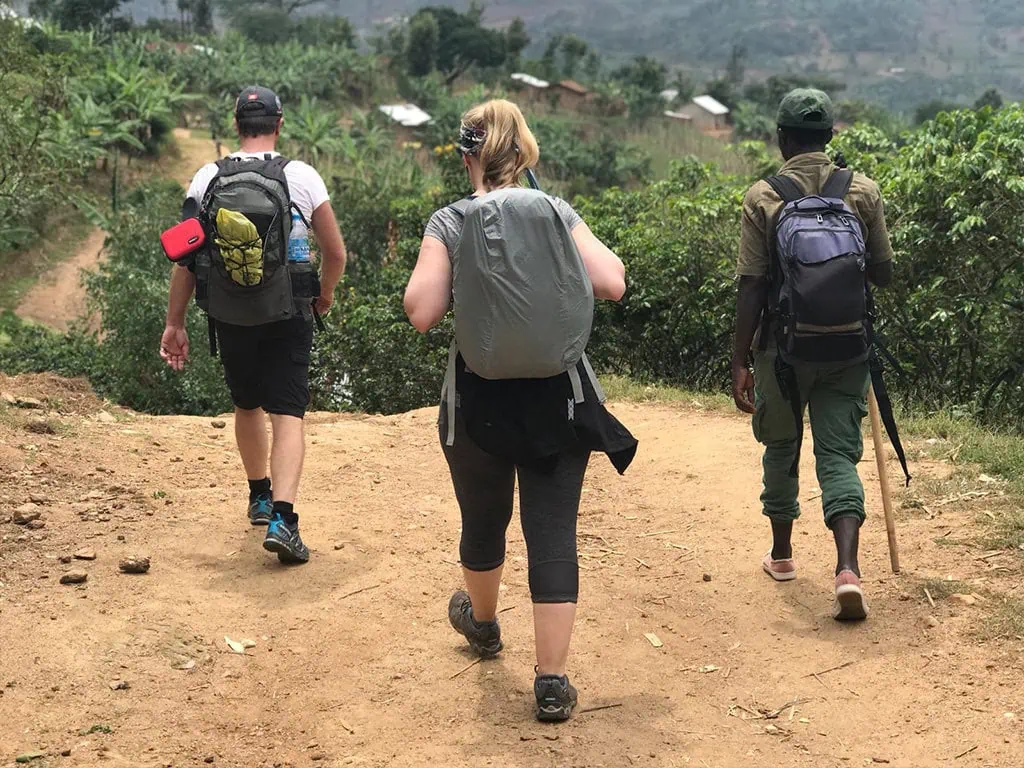
Wear sturdy, waterproof hiking boots to navigate uneven volcanic soil. Long trousers and long-sleeved shirts are required to protect against stinging nettles and thorny vegetation.
All personal items must be presented at the Kinigi headquarters. Porters are available to carry equipment during gorilla trekking Rwanda tours to ensure your hands remain free.
Flash photography is strictly prohibited as it may alarm the primates. Maintain a distance of at least 7 meters at all times while capturing images.
Trekking involves steep, muddy slopes at high altitudes which requires significant physical stamina. Travelers with limited mobility should discuss options with their tour operator well before booking.
Phones must be set to silent mode before entering the forest. Use of mobile devices for navigation is not a substitute for the mandatory ranger guide.
Children under 15 years are not permitted to participate in gorilla trekking Rwanda. Families with younger children may explore local cultural centers in Musanze instead.
Carry at least 2 liters of water and a packed lunch, as there are no food services inside the forest. Consumption is only permitted during designated breaks away from the wildlife.
No animals are allowed within the boundaries of Volcanoes National Park. This policy protects the fragile health of the mountain gorillas.
The entrance fee of 1,500 USD includes park entry, a ranger guide, and one hour with the gorillas. Permits must be secured months in advance through the official site.
Best time to go, insider tips, nearby landmarks, and the cancellation fine print — flip through to skim what matters to you.
How crowds, weather, and events shift across the year.
The dry season offers the best trekking conditions and lower rain probability. Temperatures are moderate but can drop significantly at high altitudes.
Small details that turn a good visit into a great one.
Book your permit at least 3-6 months in advance through official channels. Availability is strictly limited to protect the habitat.
Non-bookable sights within a short walk — free to visit, easy to pair.
A sacred site featuring local flora and historical Rwandan forest legends
Observation area overlooking Lake Burera and Lake Ruhondo with volcano views
Flexible, no hidden fees.
Requests must be submitted through the official Rwanda Development Board channels. Cancellations made well in advance may be eligible for partial refunds based on regulatory guidelines.
Hand-picked options within walking distance — pick a district for vibe, or a specific hotel for convenience.
Eco-friendly luxury suites overlooking volcanic peaks
Convenient proximity to the main park entrance
Volcanoes National Park shelters fewer than 400 mountain gorillas across 160 square kilometres of Virunga cloud forest, a population stabilised only after decades of armed protection and community revenue sharing.
The park's northern border touches Uganda and the Democratic Republic of Congo, forming a transboundary corridor where silverback families move freely between bamboo zones at 2,500 metres and hagenia groves near 4,000 metres. Dian Fossey established Karisoke Research Center on the slopes of Mount Visoke in 1967, documenting 13 family groups and proving that habituated gorillas tolerate human observers within seven metres. Her murder in 1985 galvanised Rwanda's government to anchor gorilla tourism as the cornerstone of post-conflict conservation policy.
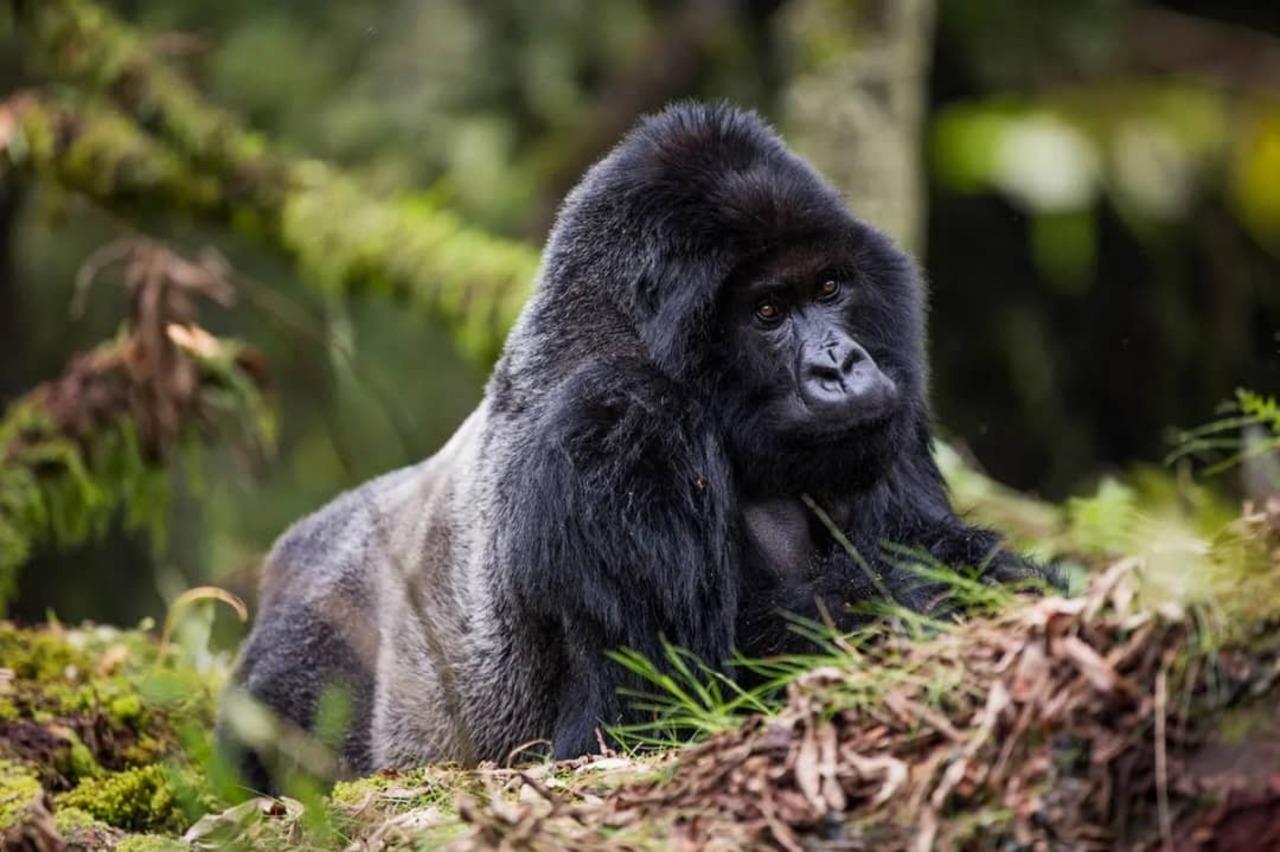
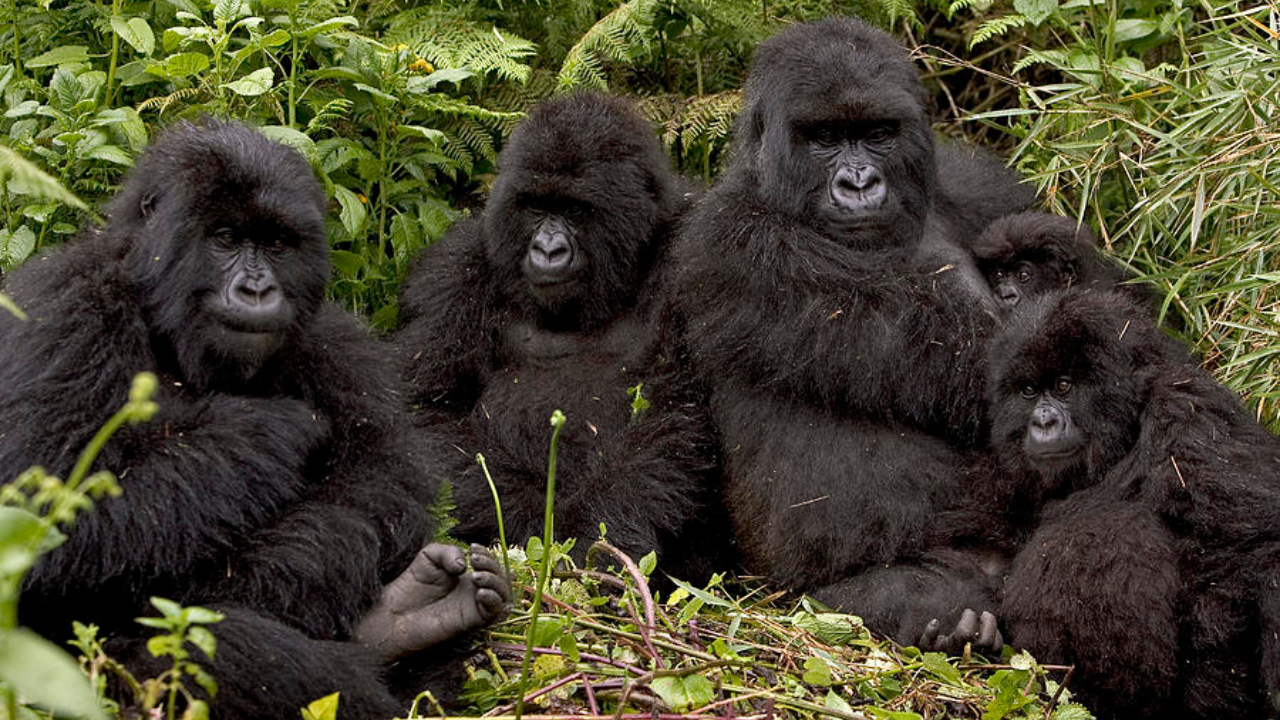
Today twelve habituated families in Volcanoes National Park host a maximum of 96 daily permits, each priced at $1,500 to fund ranger salaries, veterinary patrols, and village cooperatives that once relied on poaching. The Susa family, tracked by Fossey herself, numbers 33 individuals and roams the highest terrain; the Pablo group stays near the park headquarters at Kinigi, offering shorter treks for visitors with limited mobility. Trackers radio gorilla locations at dawn, cutting routes through stinging nettle thickets and giant lobelia stands to position groups within two hours of the briefing point. Mountain gorillas share 98% of human DNA, a proximity that enforces strict health protocols: anyone with a cough or fever is turned back, and face masks became mandatory after the 2020 pandemic exposed cross-species respiratory vulnerability.
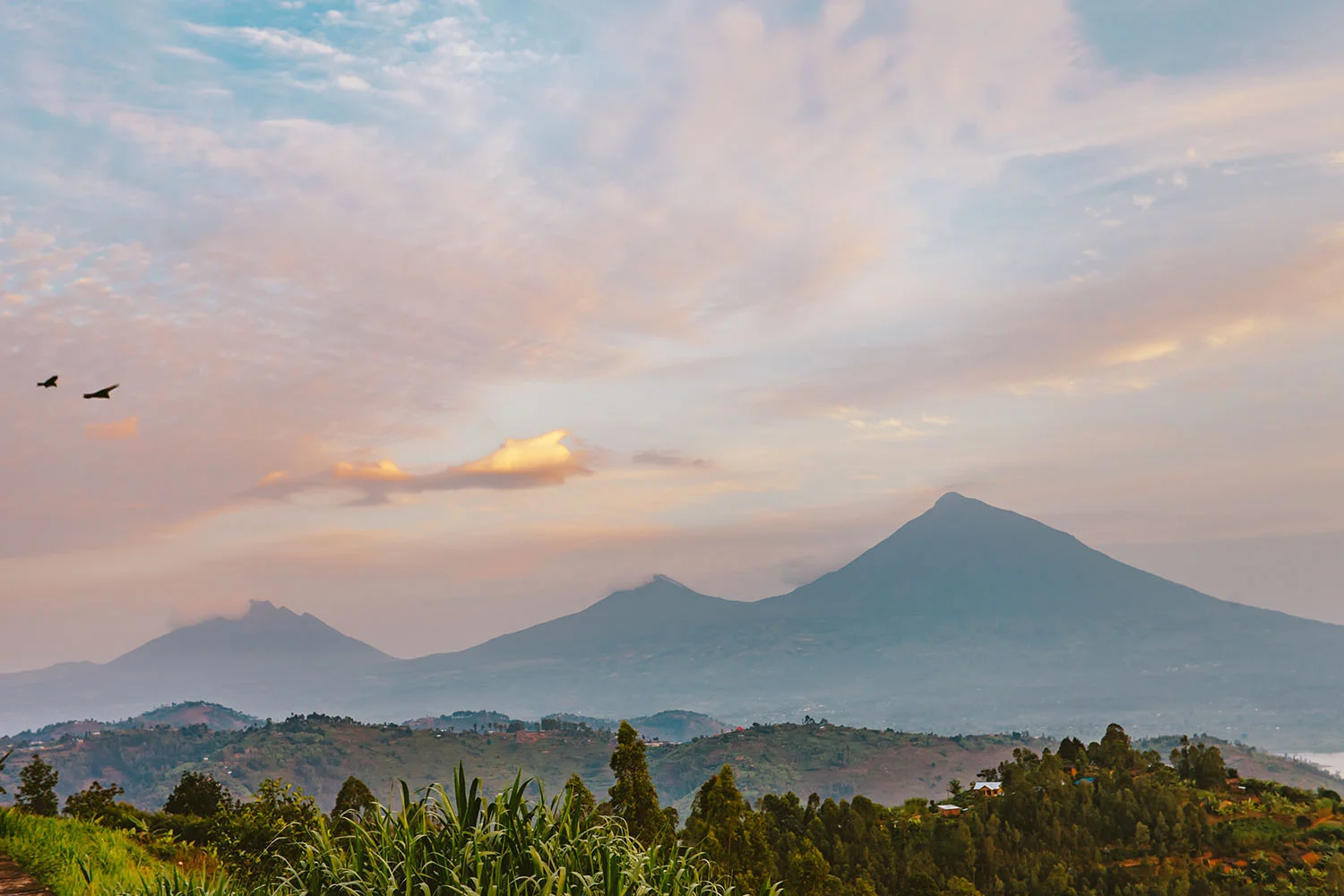
The Virunga volcanoes last erupted in 2021 when Mount Nyiragongo sent lava toward Goma, but Rwanda's five dormant peaks—Karisimbi, Bisoke, Sabinyo, Gahinga, Muhabura—anchor a montane ecosystem found nowhere else on earth. Bamboo zones regenerate after elephant damage within 18 months, providing 90% of gorilla diet during the June-September dry season. Volcanoes National Park receives 25,000 trekkers annually, generating $20 million in permit revenue that underwrites anti-poaching units equipped with GPS collars and motion cameras. The gorilla trekking Rwanda model has become a template for Uganda's Bwindi Impenetrable Forest and Congo's Virunga National Park, proving that proximity to endangered megafauna can transform subsistence farmers into conservation stakeholders. Permits sell out three months ahead during peak season, though the park operates year-round with reduced trekker numbers during the March-May rains when trails turn to red clay rivers and gorillas descend to lower bamboo.
Rwanda abolished visa fees for all African Union nationals in 2023 and extended gorilla permit validity from one day to 72 hours, allowing trekkers to attempt a second family if weather aborts the first encounter. The Rwanda Development Board now auctions ten premium permits monthly at $15,000 each, funding gorilla naming ceremonies and ranger housing. Every permit includes one hour within the family's clearing, a constraint that prevents stress-induced infant mortality and ensures silverbacks tolerate the intrusion. Researchers estimate the Virunga population will reach 500 individuals by 2030 if current protection holds, a demographic reversal unmatched among great apes.

"Trackers radio gorilla locations at dawn, cutting routes through stinging nettle thickets to position groups within two hours of the briefing point."
A step-by-step walkthrough of Gorilla Trekking Rwanda tickets — what you'll see, how long each stage takes, and the details that matter.
You arrive at the park headquarters in Kinigi by 6:45 a.m., joining seven other trekkers assigned to your gorilla family. A ranger briefs the group on approach protocol: maintain seven metres, avoid direct eye contact with the silverback, crouch low if a juvenile charges in play.
You're handed a walking stick and paired with a porter who carries your daypack up the first volcanic slope. The trail enters bamboo forest within 20 minutes, mud sucking at your gaiters as the ranger matches pace to the slowest hiker.
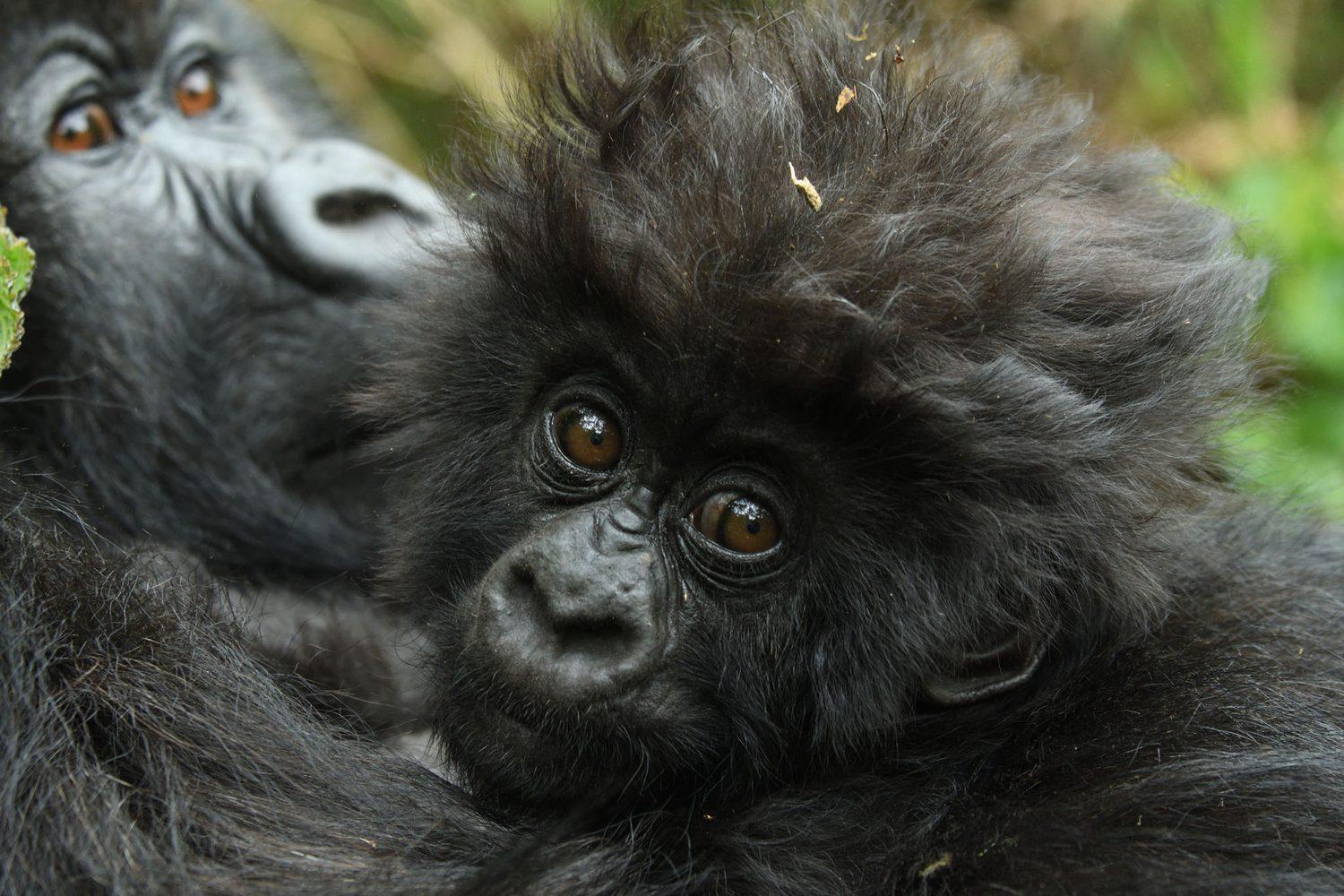
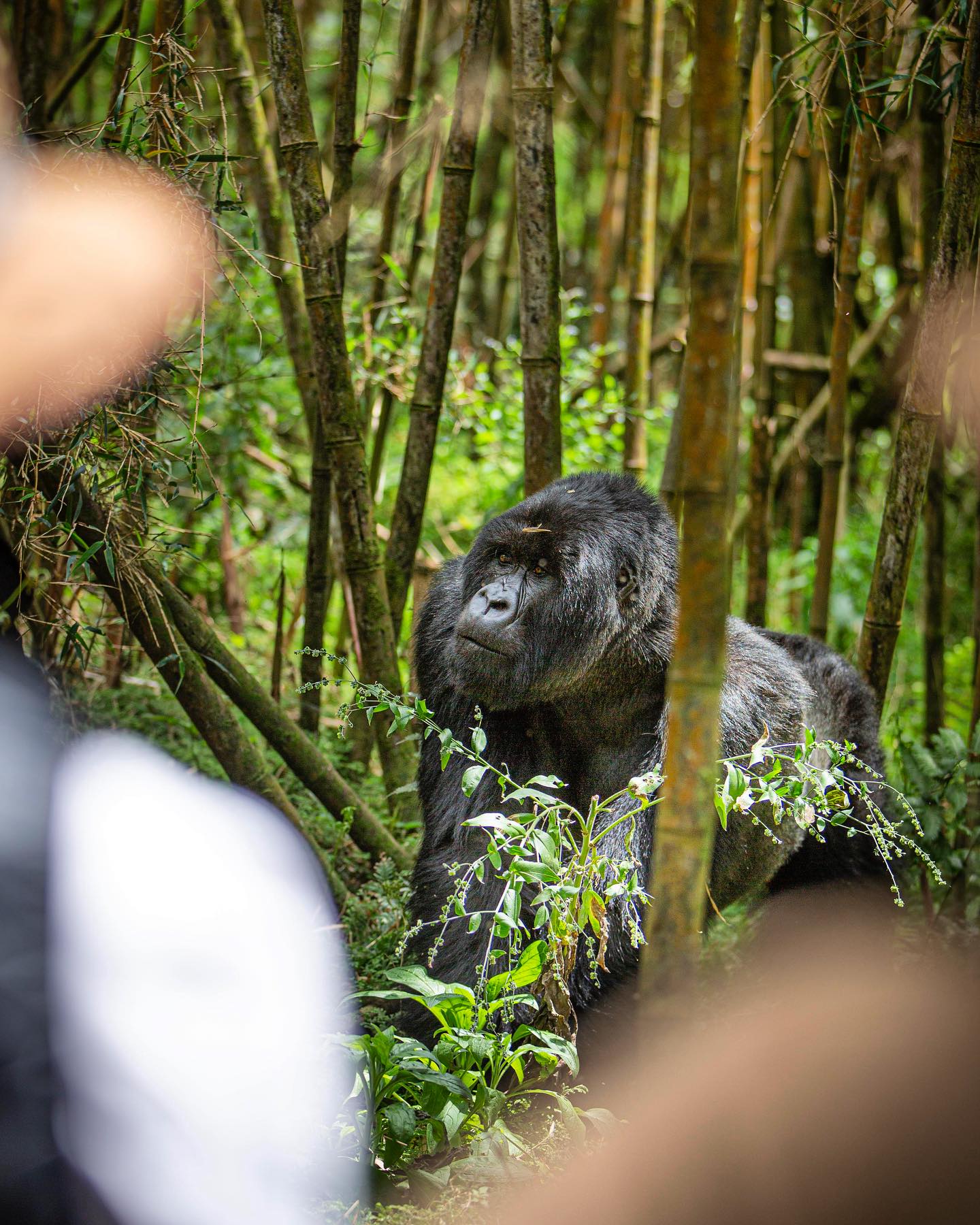
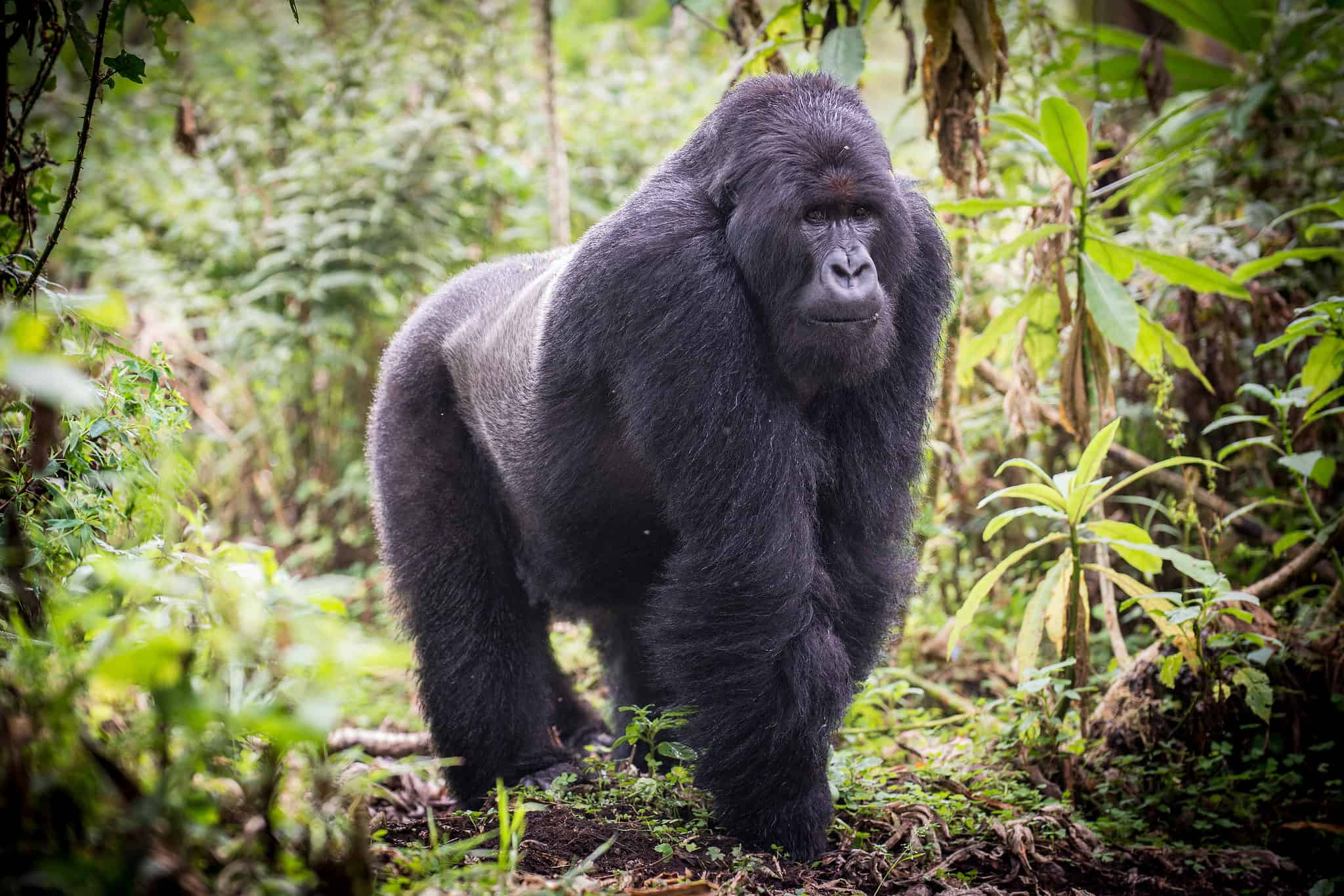
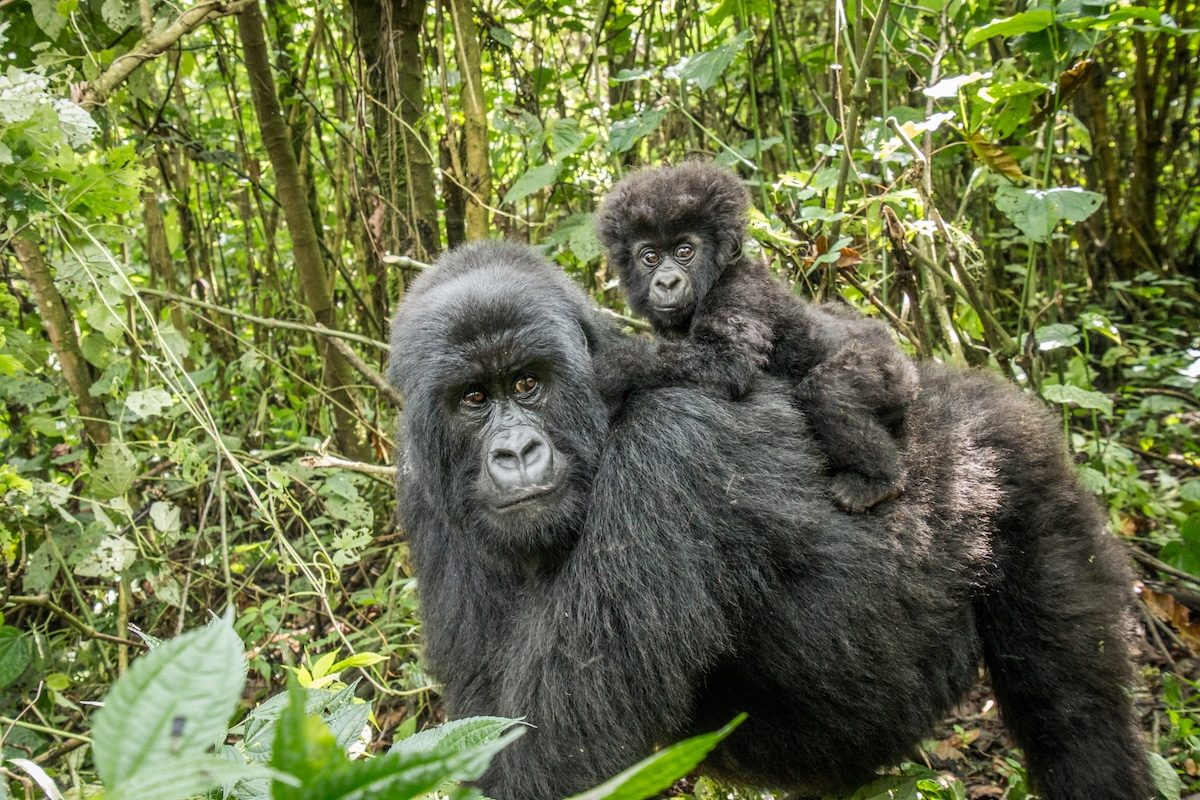
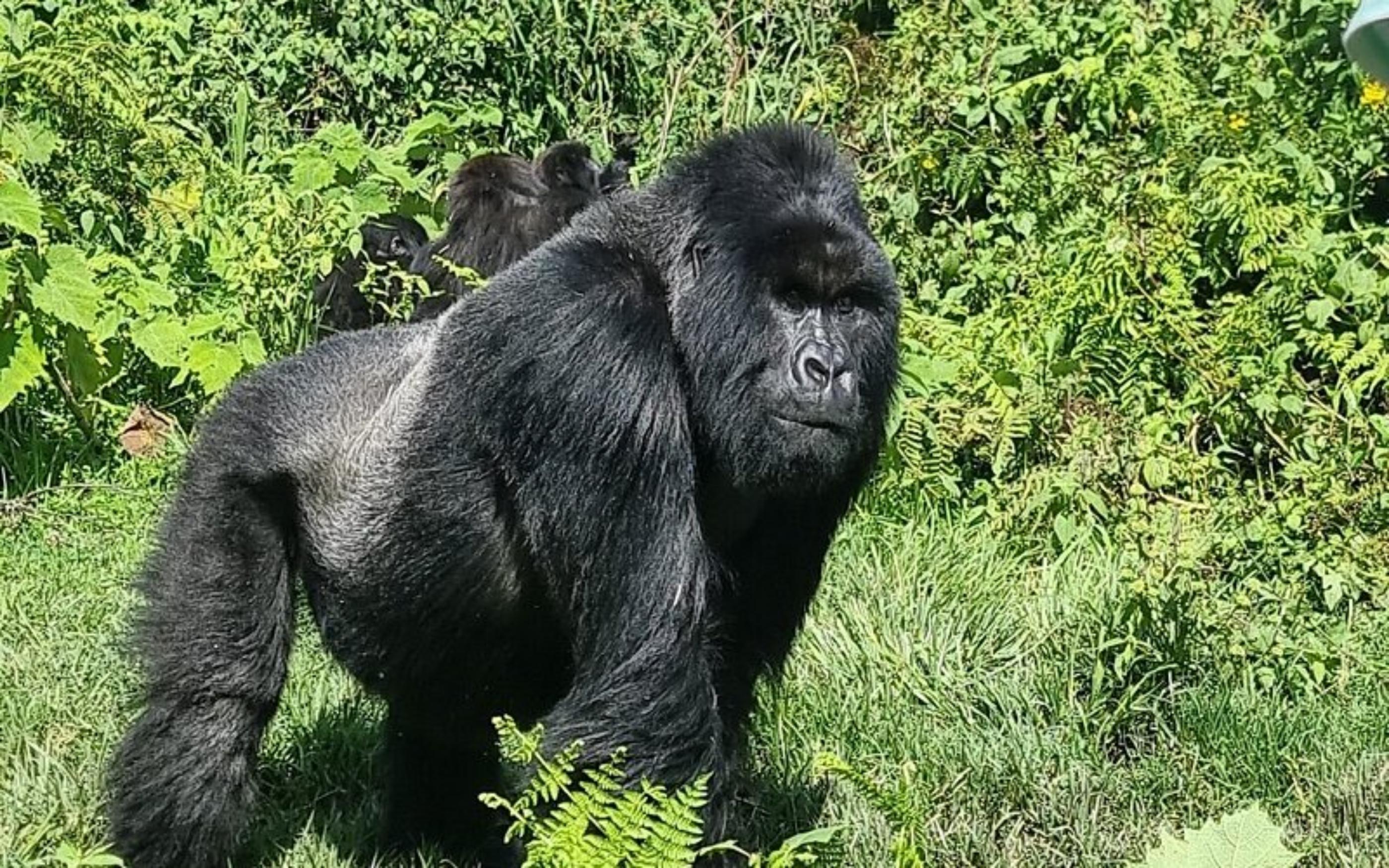
Two hours in, the lead tracker signals a stop. You hear branches snap 30 metres uphill. The ranger gestures you forward in single file, and you push through a stand of giant ferns into a small clearing. A silverback sits five metres away, methodically stripping bamboo shoots and chewing the white pith. Three females groom each other on a fallen log. A one-year-old tumbles past your boots, stops to study your camera, then scrambles up a hagenia trunk. You crouch on the wet earth, breathing slowly, as the silverback shifts his gaze past you to scan the ridge. The ranger taps his watch at the 55-minute mark—time to retreat before the family moves to its afternoon nesting site.
The descent takes 90 minutes. At the trailhead you collect your certificate, stamped with the family name and date, and return to Musanze by midday.
The park is open daily from 06:45–18:00.
The entrance fee is 1,500 USD per person.
Visitors should arrive between 06:45–07:30 for the daily briefing.
Participants must be at least 15 years old.
Flash photography is prohibited to avoid disturbing the gorillas.
Wear sturdy waterproof boots and long-sleeved clothing to navigate the dense forest.
No food is provided; please carry your own packed lunch and water.
Private transfers or buses from Kigali to Musanze are the most common methods.
Check official Rwanda Development Board policies for specific refund criteria regarding your permit.